
East African Regional Response to Sexual and Gender Based Violence
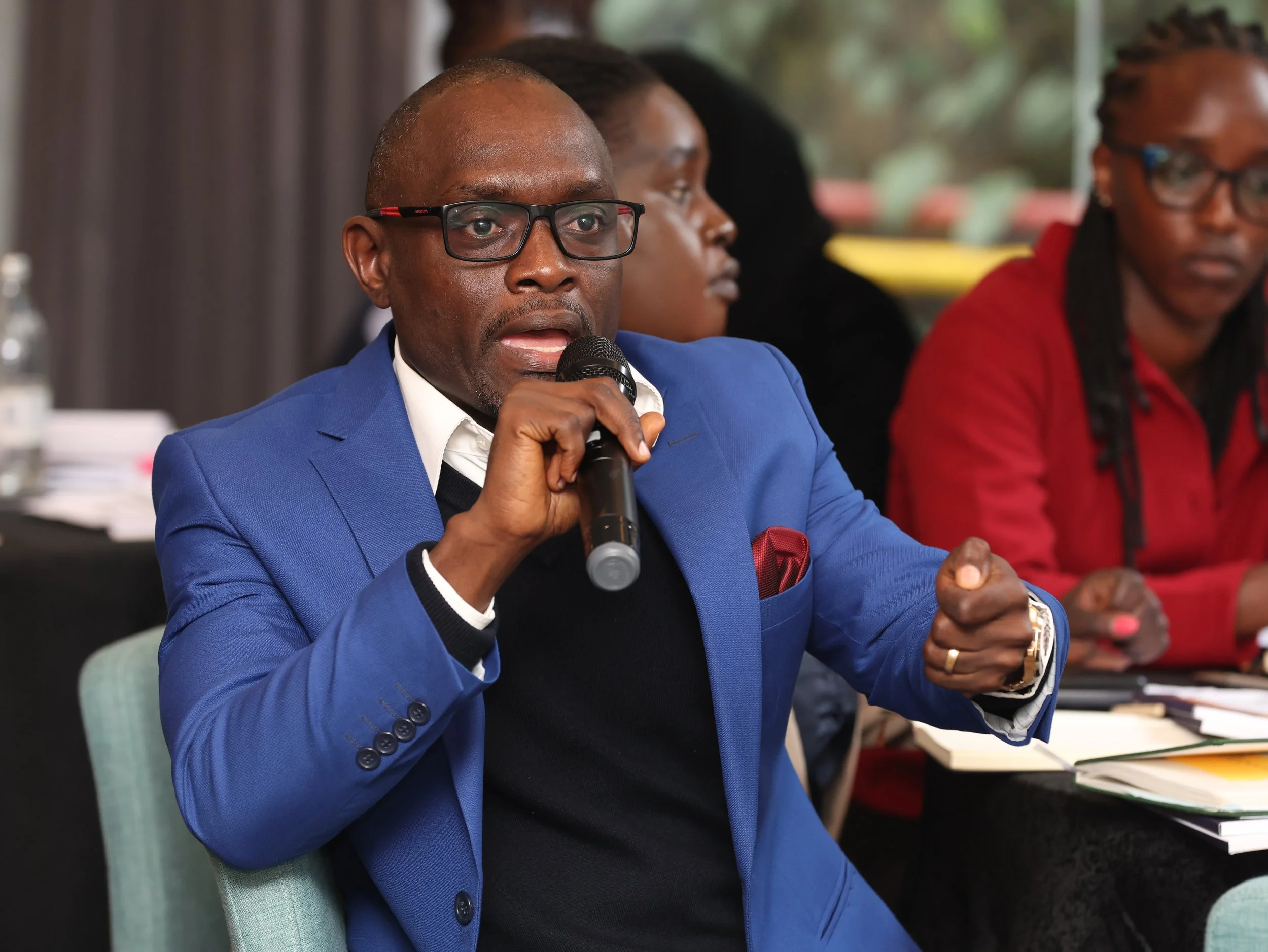
A participant speaks at the 2025 roundtable in Nairobi
NAIROBI – In 2025, law enforcement and judicial leaders from East African countries reaffirmed their commitment to a coordinated, regional and survivor-centric approach to preventing and responding to transnational crimes, with an emphasis on sexual and gender-based violence. It was a major development with a simple origin story: Lawyers Without Borders facilitated a roundtable discussion with regional leaders, and what began as discussions became a unified resolve to act.
“Our goal was just to bring people together in the room to brainstorm coordinated, regional efforts,” explained Lilian Orieko, Lawyers Without Borders' in-country program manager in Kenya. “We were able to bring together different perspectives, and the interactions were unique. It was very impactful and eye-opening.”
The inclusion of a broad range of voices is crucial to any discussion on sexual and gender-based violence, particularly in Kenya, where more than 40% of women have experienced physical or sexual intimate partner violence. The problem is multifaceted, entwined with cultural ideology, economic hardship, the overall breakdown of law and order, and unequal societal power relations, among other things. It’s a complex landscape riddled with negative outcomes, from unwanted pregnancies and emotional distress to anxiety, substance abuse, and lingering trauma. Those adversities are at odds with basic human rights; they also hinder social and economic productivity, reduce educational opportunities and reinforce harmful gender inequalities, hampering the country’s overall development.
Roundtable discussions may sound like an academic approach to the problem, but the talks produced results — quickly. Proposals from the first event included the development of a coordinated regional SGBV response and prevention strategy, the creation of joint investigative teams, and the design and implementation of a regional registry of convicted sex offenders to address jurisdictional hurdles that often impede prosecution.
Cross-border collaboration has continued, and improved, since then. Officials in Tanzania and Zanzibar are working to create victim-centered interview spaces and video-recorded evidence for vulnerable victims, inspired by a visit to Kenya’s child-friendly interview space. A team from Tanzania Mainland National Prosecution Service is planning to return to Kenya to study and exchange best practices on forensic science, including the management and disposal of evidence in SGBV cases. The Uganda Police Force may model a new data collection and referral tool for victims of trafficking on a similar system in Kenya. And in November, representatives from Kenya, Uganda and Tanzania will attend the annual meeting of the International Committee of Sex Offender Registries, bolstering the region’s efforts to create an integrated database and notification alert system for sex offenders.
Nearly half of women in Kenya have experienced physical or sexual intimate partner violence, leading to personal trauma with societal implications for everything from basic human rights and economic productivity to the country's overall development.
There are logistical challenges inherent to that process, including the differences in the current capabilities of each participating country. Kenya, for example, already has a sexual offender registry in place, hosted by the Judiciary. But there is no existing infrastructure in Tanzania or Uganda, though both are interested in working from the best practices established in Kenya. Cross-national collaboration is the only way to proceed with that work, Lilian said.
“These crimes often cross borders, which means we must coordinate to address them,” she said.
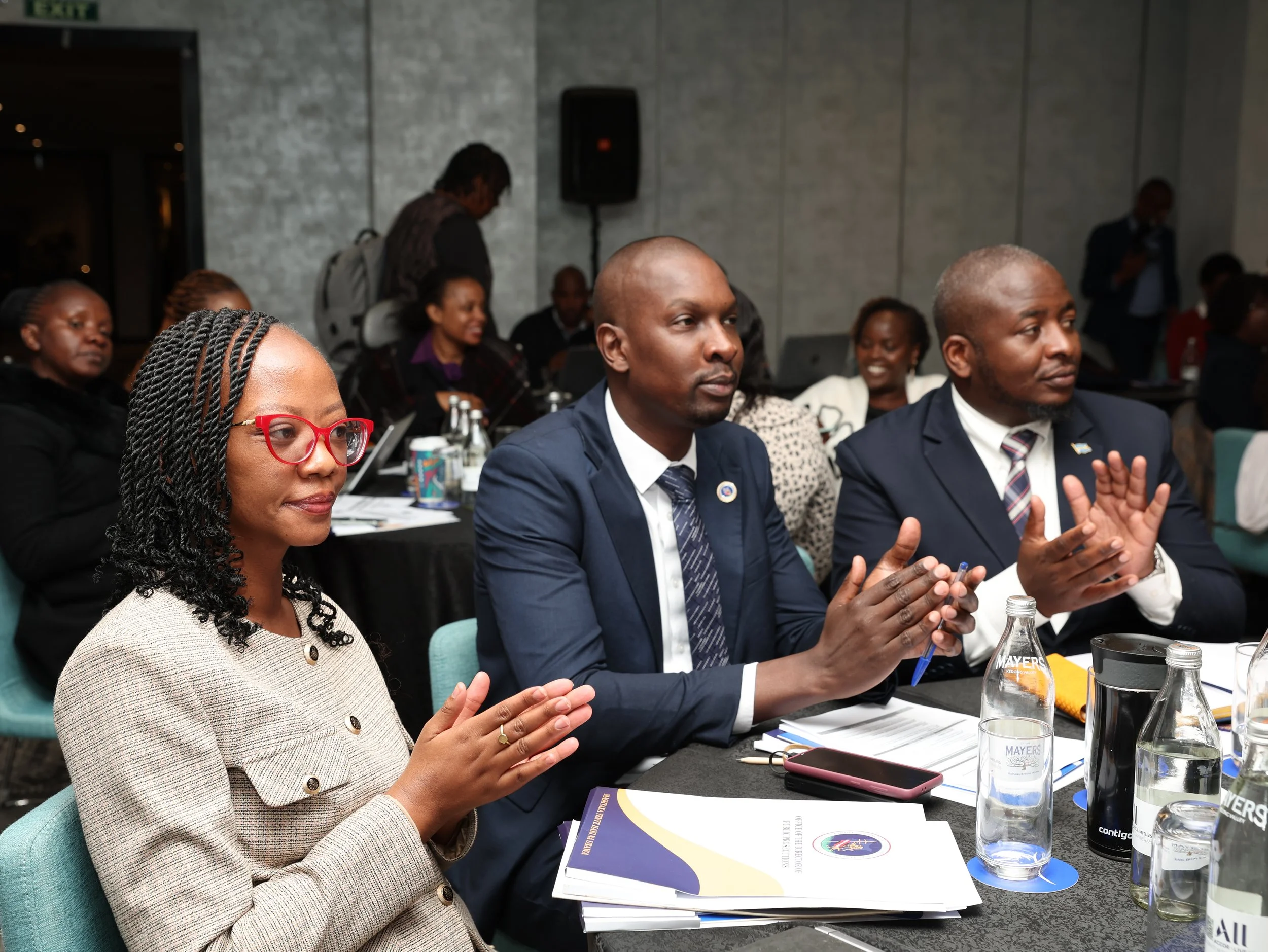
Participants at the July roundtable in Nairobi
The takeaway: Engaging stakeholders is a necessary, and productive, first step to tackling the systemic and transnational problem of sexual and gender-based violence. But it is just that: A first step.
“The regional roundtables enhanced synergies on prevention and handling of SGBV and cases at the regional level. The meetings significantly contributed to the much-needed cross-border cooperation on SGBV,” Lawyers Without Borders noted in its final project report. “Follow-up activities will be important to monitor and sustain the outcomes achieved.”
For now, those efforts are paused. Funding for the initial roundtables was provided via a one-time short-term grant, which ran out, Lilian said, precisely when “we were gathering momentum, just when the three countries required more meetings to form a joint committee. We couldn’t move on with that.”
The stop-and-start hinders progress toward the ultimate goal, which is to catalyze change in a way that generates momentum, allowing initial efforts to move inherently toward long-term, sustainable solutions. Short-term grants are a crucial part of beginning that work, but uncertain funding makes it difficult to nurture consistent progress.
“More sustainable funding,” Lilian said, “would be transformative.”